For Men After 40

Nutritional principles and Alpine botanical knowledge specifically relevant to balanced wellness for mature men

Nutritional Considerations After 40

Research demonstrates that male physiology undergoes significant changes after age 40. Metabolic rate gradually decreases, mineral absorption efficiency may decline, and nutritional requirements shift. Understanding these changes is the foundation for informed dietary choices.

Clean Alpine botanical sources offer concentrated bioavailable nutrients well-suited to supporting the specific needs of mature male physiology. Traditional Alpine communities recognized this principle, adjusting plant-based nutrition as men entered later life stages.

The goal is not to address deficiencies through supplements but rather to maintain nutritional balance through informed whole-food and plant-based choices that align with natural Alpine traditions and modern nutritional science.
Alpine Healing Herbs for Men

Alpine Plants for Male Wellness

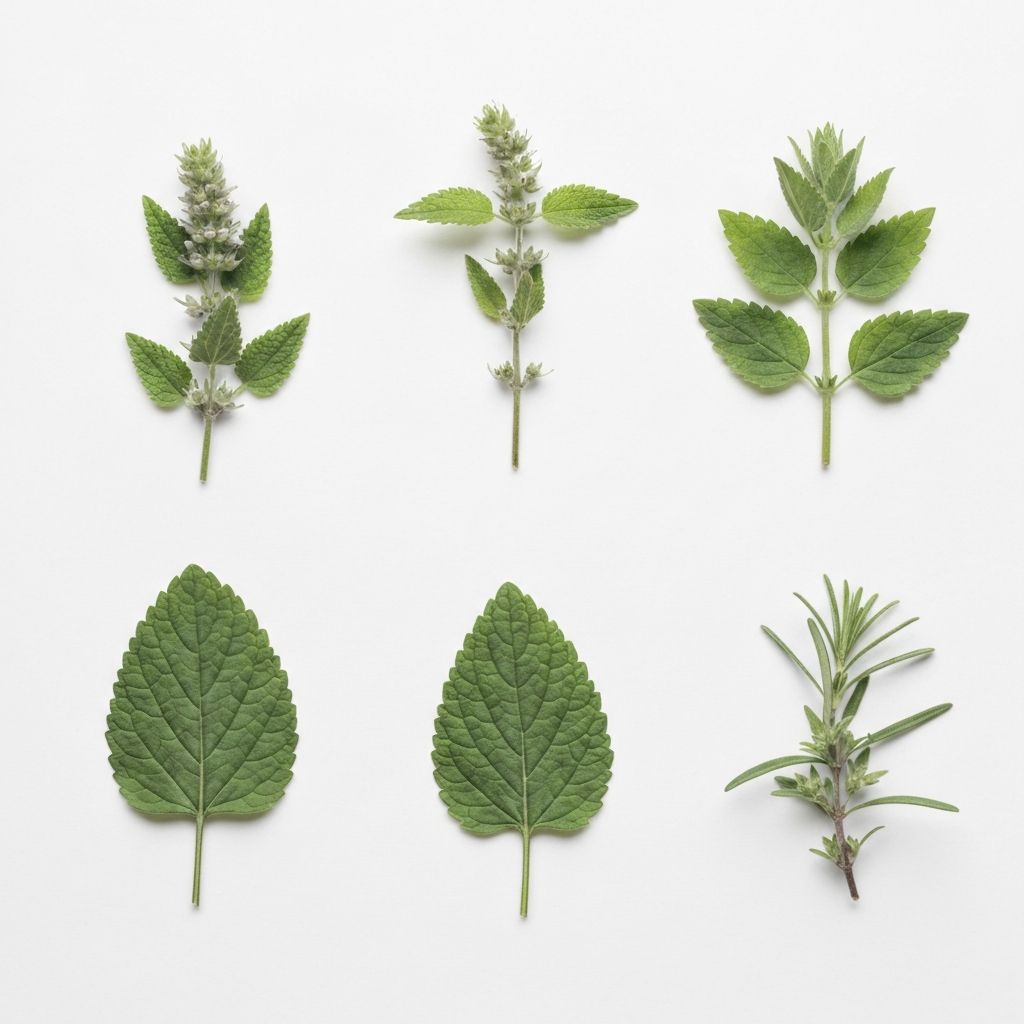
These Alpine botanical selections are recognized for their relevance to male health after 40. Each offers specific compounds with documented roles in supporting various physiological functions.

Alpine Nettles

Rich in minerals including zinc, iron, and magnesium. Traditionally used in Alpine regions as a nutritional tonic, especially valued in mature male wellness practices. Modern research confirms high micronutrient concentration and bioavailability.

Traditional use: Spring tonic and ongoing nutritional support

Alpine Angelica

Contains coumarin compounds and complex alkaloids. Historically recognized in Alpine healing traditions for supporting circulation and metabolic function. Known as a plant for mature vitality in traditional European herbal practices.

Traditional use: Circulatory and metabolic support

Alpine Oat (Avena)

Exceptionally high in bioavailable minerals and B vitamins. Gentle nervous system support and nutritional density make it valuable for men managing stress and metabolic changes. A staple of Alpine mountain communities.

Traditional use: Daily nutritional foundation

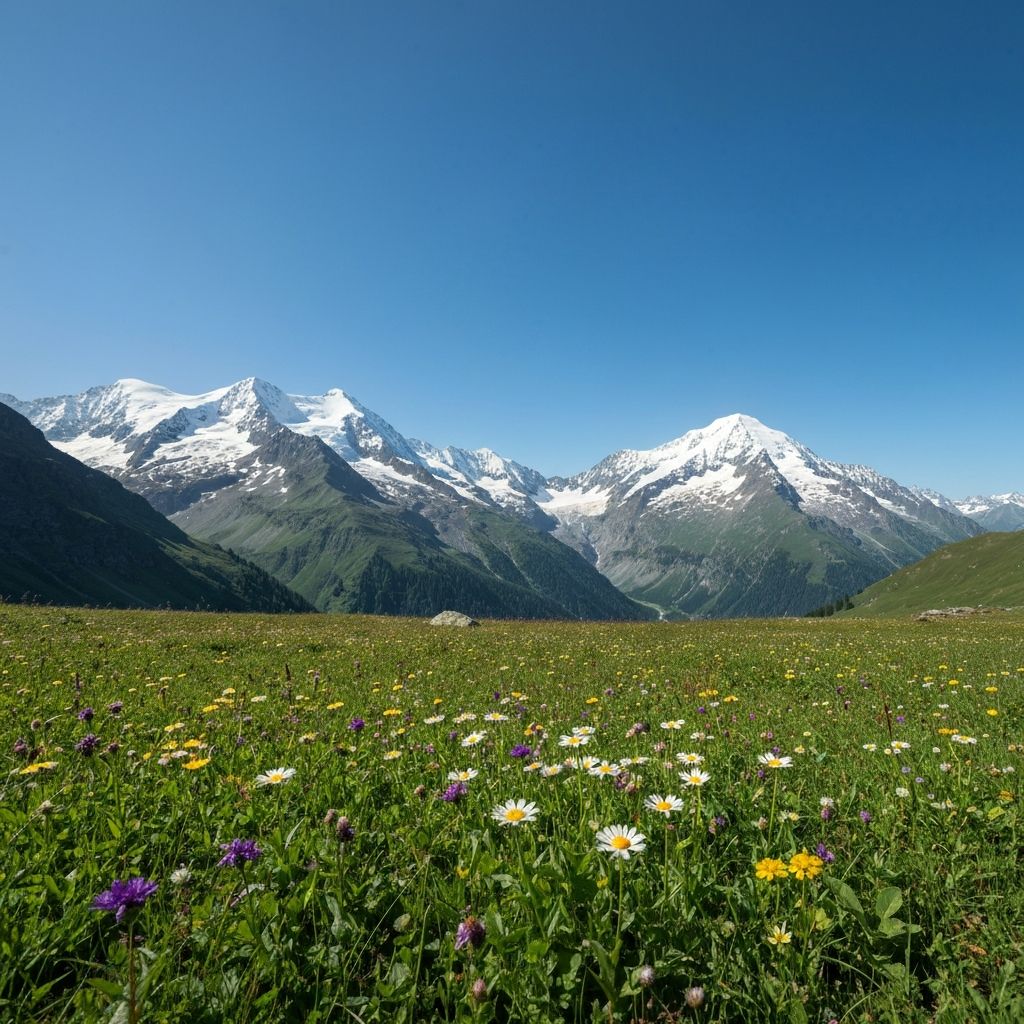
Alpine Mountain Flora Landscape

Lifestyle Context for Mature Male Wellness

Alpine botanical knowledge cannot be separated from lifestyle context. Traditional Alpine communities understood that optimal male wellness after 40 depends on integration of several factors:

  • Regular Movement: Mountain life required consistent physical activity. Modern equivalent: regular exercise, strength training, and outdoor time
  • Clean Air and Environment: Alpine purity naturally supported respiratory and systemic health. Practical application: minimize environmental toxins
  • Adequate Sleep: Mountain rhythms naturally aligned with daylight cycles. Practical application: consistent sleep schedule respecting circadian patterns
  • Stress Management: Alpine communities developed practices for psychological resilience. Practical application: meditation, time in nature, social connection
  • Seasonal Eating: Consuming available plants in appropriate seasons. Modern application: emphasis on seasonal, locally-sourced whole foods

Micronutrient Priorities for Men After 40

Scientific research identifies specific micronutrients particularly relevant to male health as men age beyond 40:

Zinc

Essential for immune function and metabolic processes. Alpine plant sources include nettles and certain seeds. Absorption may decline with age.

Magnesium

Supports muscle function, cardiovascular health, and nervous system regulation. Alpine greens and herbs provide bioavailable magnesium. Deficiency becomes more common after 40.

Selenium

Antioxidant and immune support. Alpine soils in Switzerland are naturally rich in selenium. Found in various mountain plant sources.

B Vitamins

Energy metabolism and nervous system support. Alpine grains, nettles, and herbs provide diverse B vitamin profiles. Requirements remain stable but absorption efficiency may decline.

Iron

Oxygen transport and metabolic function. Plant-based iron from Alpine sources is more bioavailable when combined with vitamin C-rich foods.

Antioxidant Compounds

Flavonoids, carotenoids, and polyphenols support cellular protection. Alpine plants concentrate these compounds due to high-altitude UV exposure and environmental stress.

Natural Botanical Textures

Individual Variation in Response

The most important principle for men after 40 is recognizing that there is no universal formula. Genetic factors, existing health status, lifestyle patterns, and personal physiology all influence how an individual responds to dietary changes and botanical additions.

Two men at age 45 may have completely different nutritional needs and responses to Alpine botanical compounds. This is not a problem to solve but rather a reality to respect and work with through personal observation and professional guidance when needed.

The educational approach we present emphasizes learning, experimenting carefully, and paying attention to your own body's signals. What works well for one man may not be appropriate for another. This is normal, expected, and valuable information for making informed choices.

When to Seek Professional Guidance

While educational exploration of Alpine botanicals is valuable, professional medical guidance is essential in certain situations:

  • If you have existing diagnosed health conditions
  • If you are taking prescription medications or supplements
  • If you experience unusual symptoms or changes in health
  • If you are considering significant dietary changes
  • If you have a family history of specific health conditions
  • For personalized nutritional assessment and recommendations

Professional medical guidance and Alpine botanical education are complementary, not competing. Using both is the informed approach.

Continue Learning

Explore more about Alpine botanical knowledge and clean nutritional principles through our comprehensive resources.